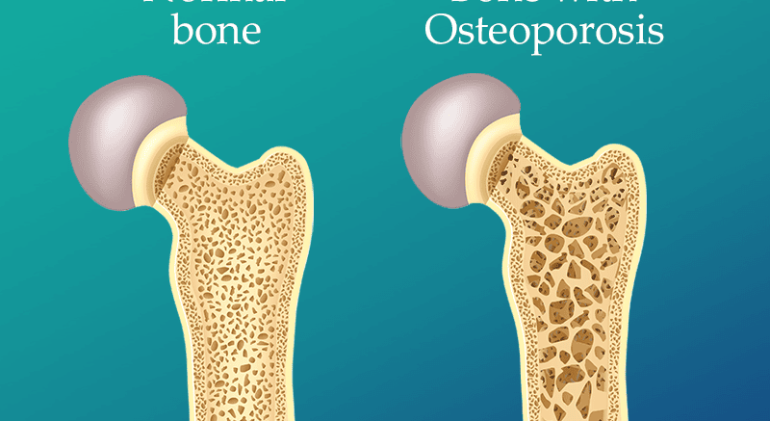
Osteoporosis – The Silent Disease That Weakens Your Bones
What is Osteoporosis?
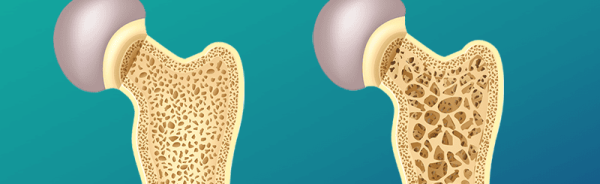
Osteoporosis is a condition in which bones become weak, brittle, and more likely to break. It develops gradually over many years and often has no symptoms until a fracture occurs. This is why osteoporosis is commonly called the “Silent Disease”.
A minor fall, sudden twist, coughing, or even lifting a light object can sometimes lead to fractures in people with severe osteoporosis.
Who is at Risk?
Anyone can develop osteoporosis, but the risk is higher in:
- Women after menopause
- Adults above 50 years of age
- Individuals with a family history of osteoporosis
- People with low calcium or Vitamin D intake
- Smokers and excessive alcohol consumers
- People with a sedentary lifestyle
- Individuals taking long-term steroid medications
- Patients with thyroid disorders, rheumatoid arthritis, or chronic kidney disease
- People with low body weight
Common Symptoms
Most patients experience no symptoms in the early stages. As osteoporosis progresses, symptoms may include:
- Back pain
- Loss of height
- Stooped posture
- Bone fractures after a minor fall
- Wrist fractures
- Hip fractures
- Spine fractures
- Recurrent fractures
Why is Osteoporosis Dangerous?
Weak bones significantly increase the risk of fractures.
The most common fractures occur in:- Hip
- Spine (vertebrae)
- Wrist
- Shoulder
Hip fractures, especially in elderly patients, can lead to prolonged bed rest, reduced mobility, loss of independence, and serious medical complications.
Causes of Osteoporosis
Several factors contribute to bone loss:
- Ageing
- Menopause
- Calcium deficiency
- Vitamin D deficiency
- Hormonal imbalance
- Long-term steroid use
- Smoking
- Excessive alcohol intake
- Lack of exercise
- Certain chronic medical illnesses
How is Osteoporosis Diagnosed?
Your orthopaedic specialist may recommend:
- Clinical examination
- Bone Mineral Density (DEXA Scan)
- X-rays (if fracture is suspected)
- Vitamin D levels
- Calcium profile
- Blood investigations to identify secondary causes
Early diagnosis helps prevent fractures before they occur.
Treatment of Osteoporosis
Treatment depends on the severity of bone loss and fracture risk.
Management may include:Lifestyle Changes
- Regular weight-bearing exercises
- Muscle strengthening exercises
- Balance training
- Fall prevention strategies
Nutrition
- Adequate calcium intake
- Vitamin D supplementation
- Protein-rich diet
- Healthy body weight
Medications
Depending on individual needs, your doctor may prescribe medications that:
- Slow bone loss
- Improve bone strength
- Reduce fracture risk
- Stimulate new bone formation
Treatment plans are personalized based on age, bone density, fracture risk, and associated medical conditions.
Tips to Prevent Osteoporosis
Osteoporosis in Women
Women experience a rapid decline in bone density after menopause because of reduced estrogen levels.
Postmenopausal women should discuss osteoporosis screening with their doctor, especially if they have:- Early menopause
- Family history of fractures
- Previous fragility fracture
- Low body weight
Early treatment can significantly reduce future fracture risk.
Osteoporosis in Men
Although less common, osteoporosis also affects men, particularly after the age of 65 or in those with chronic illnesses, steroid use, smoking, or low testosterone levels. Men are often diagnosed late, making awareness and screening equally important.
When Should You See an Orthopaedic Specialist?
Consult an orthopaedic surgeon if you have:
- Persistent back pain
- Recurrent fractures
- Loss of height
- Family history of osteoporosis
- Hip or wrist fracture after a simple fall
- Long-term steroid use
- Menopause with additional risk factors
Early evaluation can prevent life-changing fractures.
Why Choose Aveevah Medicare?
At Aveevah Medicare, we provide evidence-based osteoporosis care with a focus on prevention and long-term bone health.
Our services include:
- Comprehensive orthopaedic evaluation
- Osteoporosis risk assessment
- Fracture management
- Bone health counselling
- Personalized treatment plans
- Rehabilitation guidance
- Long-term follow-up
Our goal is to keep you active, independent, and fracture-free.
Frequently Asked Questions (FAQs)
Can osteoporosis be cured?
While osteoporosis cannot usually be completely reversed, it can be effectively treated to strengthen bones, slow bone loss, and significantly reduce fracture risk.
Is osteoporosis painful?
Osteoporosis itself is generally painless. Pain usually occurs after a fracture, especially in the spine or hip.
Which foods are good for bone health?
Milk, curd, paneer, cheese, green leafy vegetables, almonds, sesame seeds, soy products, pulses, and protein-rich foods are beneficial for maintaining healthy bones.
Is walking good for osteoporosis?
Yes. Regular walking, along with strength training and balance exercises, helps improve bone health and reduces the risk of falls.
At what age should I get screened?
Women above 65 years, men above 70 years, and younger individuals with significant risk factors should discuss bone density testing with their doctor.
Consult Our Orthopaedic Specialist
If you or a loved one is concerned about weak bones, osteoporosis, or recurrent fractures, schedule a consultation with our orthopaedic specialist for a comprehensive evaluation and personalized treatment plan.
Dr. Saurabh Vashisht
MS Orthopaedics (PGIMER Chandigarh)
Joint Replacement | Arthroscopy | Sports Injuries | Spine | Complex Trauma