Sports Injuries – Expert Diagnosis & Treatment for a Safe Return to Activity
What Are Sports Injuries?
Who Can Get Sports Injuries?
Sports injuries are not limited to athletes. They commonly occur in:
- Professional and amateur athletes
- Gym enthusiasts
- Runners and cyclists
- Badminton, cricket, football, and volleyball players
- School and college students
- Weekend sports participants
- Individuals starting a new fitness program
Common Types of Sports Injuries
Sports injuries may involve different parts of the body, including:
Knee Injuries
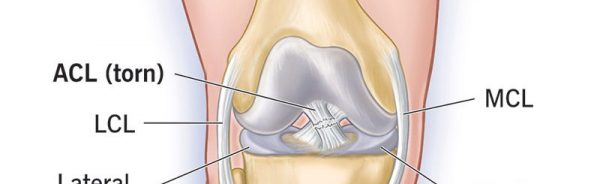
- ACL (Anterior Cruciate Ligament) tear
- PCL injury
- Meniscus (cartilage) tear
- MCL and LCL ligament injuries
- Patellar dislocation
Shoulder Injuries
- Rotator cuff tear
- Shoulder dislocation
- Labral tear
- Shoulder impingement
- Frozen shoulder following injury
Ankle and Foot Injuries
- Ankle sprain
- Achilles tendon injury
- Ligament tears
- Stress fractures
Muscle and Tendon Injuries
- Muscle strains
- Hamstring injuries
- Quadriceps injuries
- Tennis elbow
- Golfer’s elbow
Wrist and Hand Injuries
- Ligament injuries
- Finger dislocations
- Wrist sprains
- Scaphoid fractures
Common Symptoms
Symptoms depend on the type of injury but may include:
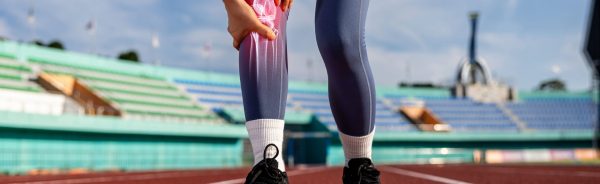
- Sudden pain during activity
- Swelling
- Bruising
- Difficulty walking or running
- Joint instability or “giving way”
- Clicking or locking of the joint
- Reduced range of motion
- Weakness
- Inability to continue playing
If pain or swelling persists for more than a few days or you cannot bear weight on the injured limb, seek medical evaluation promptly.
Causes of Sports Injuries
Sports injuries can result from:
- Sudden twisting movements
- Falls or direct impact
- Poor warm-up
- Overtraining
- Incorrect exercise technique
- Inadequate conditioning
- Improper footwear or equipment
- Returning to sport too early after a previous injury
How Are Sports Injuries Diagnosed?
Your orthopaedic specialist will perform a detailed evaluation, including:
- Medical history and mechanism of injury
- Physical examination
- Assessment of joint stability and movement
- X-rays to rule out fractures
- MRI scan for ligament, cartilage, tendon, and meniscus injuries
- Ultrasound for selected soft tissue injuries
- CT scan in complex fractures when required
An accurate diagnosis is the foundation of effective treatment.
Treatment of Sports Injuries
Treatment depends on the severity of the injury and your activity level.
Immediate Care
During the first 24–48 hours, your doctor may recommend:
- Rest
- Ice application
- Compression
- Elevation (RICE protocol)
Non-Surgical Treatment
Many sports injuries improve with:
- Activity modification
- Physiotherapy
- Muscle strengthening exercises
- Bracing or splinting
- Pain-relieving medications
- Guided rehabilitation
- Gradual return-to-sport program
Arthroscopic (Keyhole) Surgery
Some injuries require minimally invasive arthroscopic surgery, particularly:
- ACL tears
- Meniscus tears
- Rotator cuff tears
- Shoulder instability
- Cartilage injuries
Arthroscopy uses small incisions and a camera to treat joint problems with less tissue damage, smaller scars, and faster recovery than traditional open surgery in appropriate cases.
Rehabilitation – The Key to Recovery
Successful treatment does not end with surgery or pain relief. A structured rehabilitation program helps:
- Restore flexibility
- Improve muscle strength
- Regain balance and coordination
- Reduce stiffness
- Prevent re-injury
- Enable a safe return to sports
Following your rehabilitation plan is essential for the best outcome.
Tips to Prevent Sports Injuries
- Warm up before every activity
- Cool down after exercise
- Increase training intensity gradually
- Use proper sports techniques
- Wear appropriate footwear and protective equipment
- Maintain flexibility and muscle strength
- Stay hydrated
- Take adequate rest between training sessions
- Do not ignore persistent pain
When Should You See an Orthopaedic Specialist?
- A popping sound at the time of injury
- Severe swelling
- Joint instability
- Inability to bear weight
- Persistent pain beyond a few days
- Recurrent ankle sprains or shoulder dislocations
- Knee locking or giving way
- Limited movement after an injury
Early treatment often prevents long-term joint damage.
Why Choose Aveevah Medicare?
Our goal is to help you recover completely and return to your normal activities with confidence.
We offer:- Comprehensive sports injury assessment
- Advanced orthopedic evaluation
- Arthroscopic (keyhole) surgery
- ACL and meniscus injury management
- Shoulder arthroscopy
- Fracture care
- Individualized rehabilitation guidance
- Long-term follow-up for safe return to sports
We emphasize evidence-based treatment tailored to your age, activity level, and sporting goals.
Frequently Asked Questions (FAQs)
Do all ligament injuries require surgery?
No. Many ligament sprains heal with rest, bracing, and physiotherapy. Complete tears causing significant instability, especially in active individuals, may require surgical reconstruction.
How long does recovery take?
Recovery depends on the type and severity of the injury. Minor sprains may recover within a few weeks, while ligament reconstruction or tendon repair may require several months of rehabilitation.
Can I continue playing through pain?
Persistent pain should not be ignored. Continuing to play with an untreated injury may worsen the damage and prolong recovery.
What is arthroscopy?
Arthroscopy is a minimally invasive surgical procedure that uses a small camera and specialized instruments to diagnose and treat joint problems through tiny incisions.
Can sports injuries be prevented?
While not all injuries are preventable, proper training, conditioning, warm-up, protective equipment, and timely treatment of minor injuries significantly reduce the risk.
Consult Our Orthopaedic Specialist
If you have a sports injury, recurrent joint pain, ligament tear, shoulder instability, or knee injury, consult our orthopaedic specialist for a comprehensive evaluation and personalized treatment plan.
Dr. Saurabh Vashisht
MS Orthopaedics (PGIMER Chandigarh)
Joint Replacement | Arthroscopy | Sports Injuries | Spine | Complex Trauma
Aveevah Medicare – Orthopaedics & Gynaecology Superspeciality Centre*
SCO 281, Sector 118, TDI City, SAS Nagar (Mohali), Punjab