Robot-Assisted Knee Resurfacing: Precision Meets Recovery
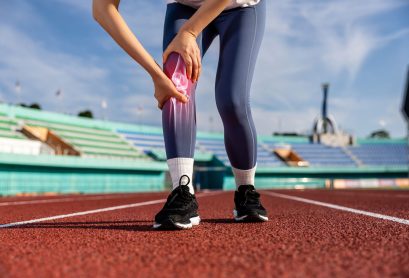
Knee pain can be debilitating, especially when caused by localized cartilage damage or early arthritis. Traditional knee replacement may be excessive for such cases. Enter robot-assisted knee resurfacing—a breakthrough that combines minimally invasive surgery with robotic technology for faster, more accurate outcomes.
What Is Robot-Assisted Knee Resurfacing?
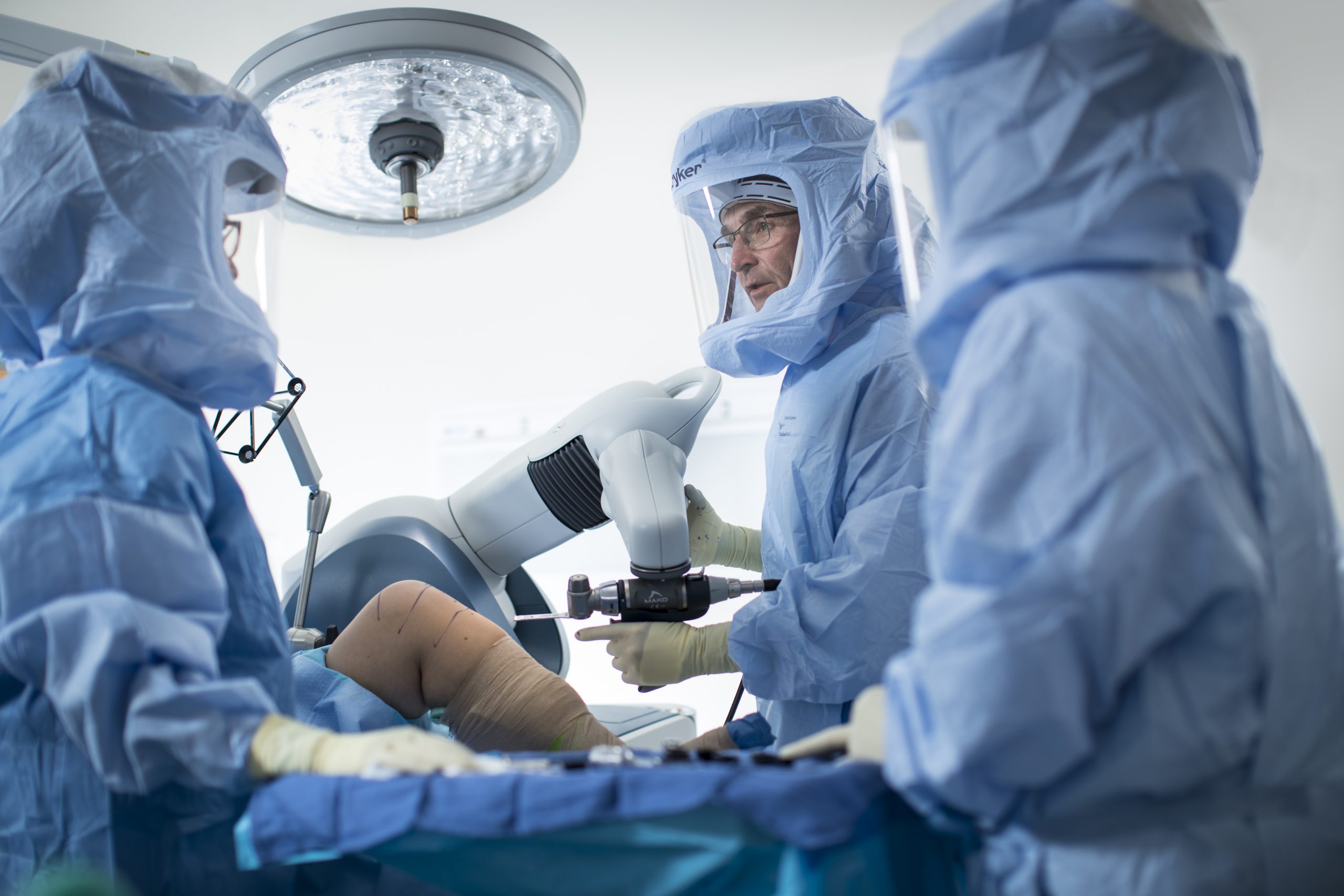
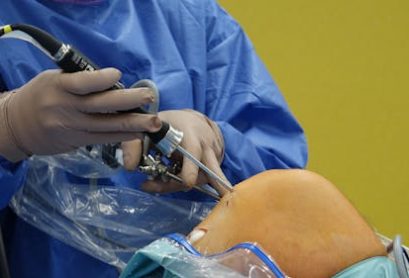
Unlike total knee replacement, resurfacing targets only the damaged portion of the knee. Robotic assistance enhances this procedure by using 3D mapping and real-time feedback to guide the surgeon with millimeter-level accuracy. This ensures optimal implant placement and preserves healthy bone and tissue.

How the Technology Works
- Preoperative Planning: Advanced imaging creates a 3D model of the patient’s knee.
- Intraoperative Guidance: The robot assists the surgeon in making precise bone cuts and positioning the implant.
- Real-Time Adjustments: The system adapts to the patient’s anatomy during surgery for personalized results.
Benefits of Robotic Knee Resurfacing
- Unmatched Precision: Robotic systems ensure accurate implant alignment, reducing wear and improving longevity.
- Minimally Invasive: Smaller incisions mean less pain, reduced blood loss, and faster healing.
- Customized Fit: Each procedure is tailored to the patient’s unique anatomy using 3D planning.
- Faster Recovery: Most patients walk within hours and return to daily activities in weeks.
- Preservation of Bone: Ideal for younger patients, as it maintains more of the natural joint structure.
Who Should Consider This Procedure?
Robot-assisted knee resurfacing is best suited for:
Recovery Timeline
Is robotic knee replacement better than traditional surgery?
Final Thoughts
Learn more from blog
Schedule Your Appointment Online
Diagnostic Services
Determining the nature & cause of a condition, illness, or injury
Accidents, Emergency & EMS
With High-End Equipment
Inpatient Facilities
Providing an Exceptional Patient Experience